
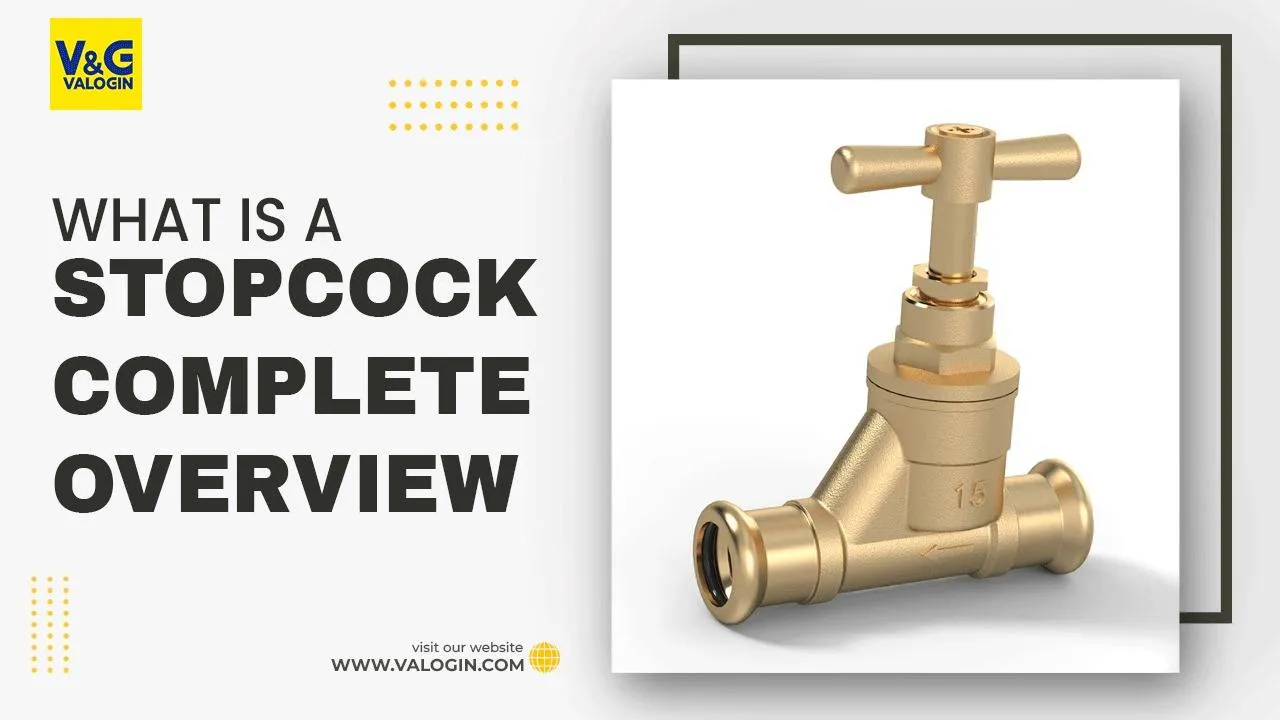
In the world of plumbing and water management, one crucial component often goes unnoticed — the stopcock. Though it may seem like a small and simple part, the stopcock plays a vital role in controlling your home’s water supply. Understanding what it is, how it works and the different types available can empower homeowners and property managers to manage plumbing systems more effectively. This comprehensive blog post will explore the functions, types, components and maintenance of stopcocks, along with practical insights for daily use.
What is a Stopcock?
A stopcock, also known as a shut-off valve or stop valve, is a mechanical device used to control the flow of water in a plumbing system. It acts like an on/off switch, allowing you to either allow or stop the movement of water through a pipe. Most commonly, it’s found near water meters or close to major water supply entry points. Some are also located near individual appliances and fixtures.
Stopcocks are especially valuable during plumbing emergencies. Whether you have a leaking pipe or need to repair a faucet, turning off the stopcock can isolate the problem area and prevent water damage. These valves are also important for general maintenance and for controlling water usage in specific parts of a building.
Types of Stopcocks
There are several types of stopcocks used in residential, commercial and industrial plumbing systems. Each type is suited for specific applications depending on flow control requirements, durability and ease of use.
1. Ball Valve Stopcock
A ball valve stopcock is one of the most common and modern types. It features a lever handle that turns a ball with a hole through it. When aligned with the pipe, the hole allows water to flow freely. When rotated 90 degrees, it blocks the flow entirely.
This type of stopcock is widely appreciated for its reliability, durability and easy operation. It opens and closes quickly and creates a secure seal, reducing the chance of leaks. These valves are often made from brass or stainless steel and are commonly used for main water shut-off points.
2. Gate Valve Stopcock
Gate valve stopcocks use a round handle that lifts or lowers an internal gate to open or close the pipe. Unlike ball valves, gate valves are designed for applications where the valve remains open or closed for long periods.
They provide full water flow when open but can become prone to wear or buildup over time. Corrosion or mineral deposits may hinder their performance, making them less suitable for frequent operation.
3. Butterfly Valve Stopcock
Butterfly valve stopcocks contain a rotating disc positioned in the center of the pipe. When the disc turns, it allows water to pass or blocks the flow. These valves are mostly used in large-scale systems, including commercial and industrial water pipelines.
Their compact size and lightweight design make them ideal for areas with limited space. They also support quick shut-off capabilities, though they are less precise than ball or gate valves for regulating water flow.
Key Functions of a Stopcock
Understanding the functions of a stopcock helps highlight why it’s such a vital part of plumbing systems. Whether in homes or businesses, stopcocks provide a range of utilities that improve both efficiency and safety.
Emergency Water Shut-Off
One of the primary functions of a stopcock is to provide immediate shut-off during a plumbing emergency. If a pipe bursts or a fixture starts leaking uncontrollably, turning the stopcock can stop water from causing further damage. Knowing its location and how to operate it can save time, money and property from water-related disasters.
Routine Maintenance and Repairs
Stopcocks allow homeowners and plumbers to isolate specific areas of a plumbing system without shutting off water to the entire building. This is especially useful when performing repairs or upgrades, such as replacing a faucet or installing a new appliance.
Water Flow Control
These valves also allow users to regulate water pressure in specific parts of a plumbing network. If you notice high pressure at a certain fixture, partially closing the stopcock can reduce the flow, preventing wear on pipes and fixtures.
Water Conservation
Using a stopcock strategically can contribute to water-saving efforts. During periods of low occupancy or when managing leaks, you can restrict water to certain zones, avoiding unnecessary water usage.
The Importance of Regular Maintenance
Stopcocks, like any mechanical component, need regular care to ensure they function correctly. Over time, valves can seize, become stiff or even corrode. If not maintained, they may fail to shut off water when needed, defeating their purpose entirely.
Common Maintenance Tips:
-
Inspect periodically: Turn the valve on and off every few months to ensure it hasn’t seized up.
-
Lubricate moving parts: Use a suitable valve lubricant to keep the mechanism smooth and operational.
-
Check for leaks: If you notice water dripping from the valve, consider tightening fittings or replacing worn seals.
-
Replace faulty valves: If a stopcock shows signs of severe wear, such as cracks or continuous leakage, replace it immediately with a new one.
Regular maintenance ensures longevity and reliability, especially in emergencies where every second counts.
Installation and Location of Stopcocks
Knowing where your stopcocks are located is essential for effective plumbing control. Typically, stopcocks can be found:
-
Under kitchen sinks or bathroom basins
-
Near washing machines or dishwashers
-
Adjacent to toilets
-
At the water meter or main supply inlet
Proper installation is also important. Stopcocks should be easy to access, clearly labeled and installed in line with plumbing codes. If you’re unsure of the location or installation quality of your stopcock, it’s wise to have a plumber inspect it.
Components of a Stopcock
Understanding the internal parts of a stopcock provides deeper insight into how they work and how to maintain or replace them if necessary.
-
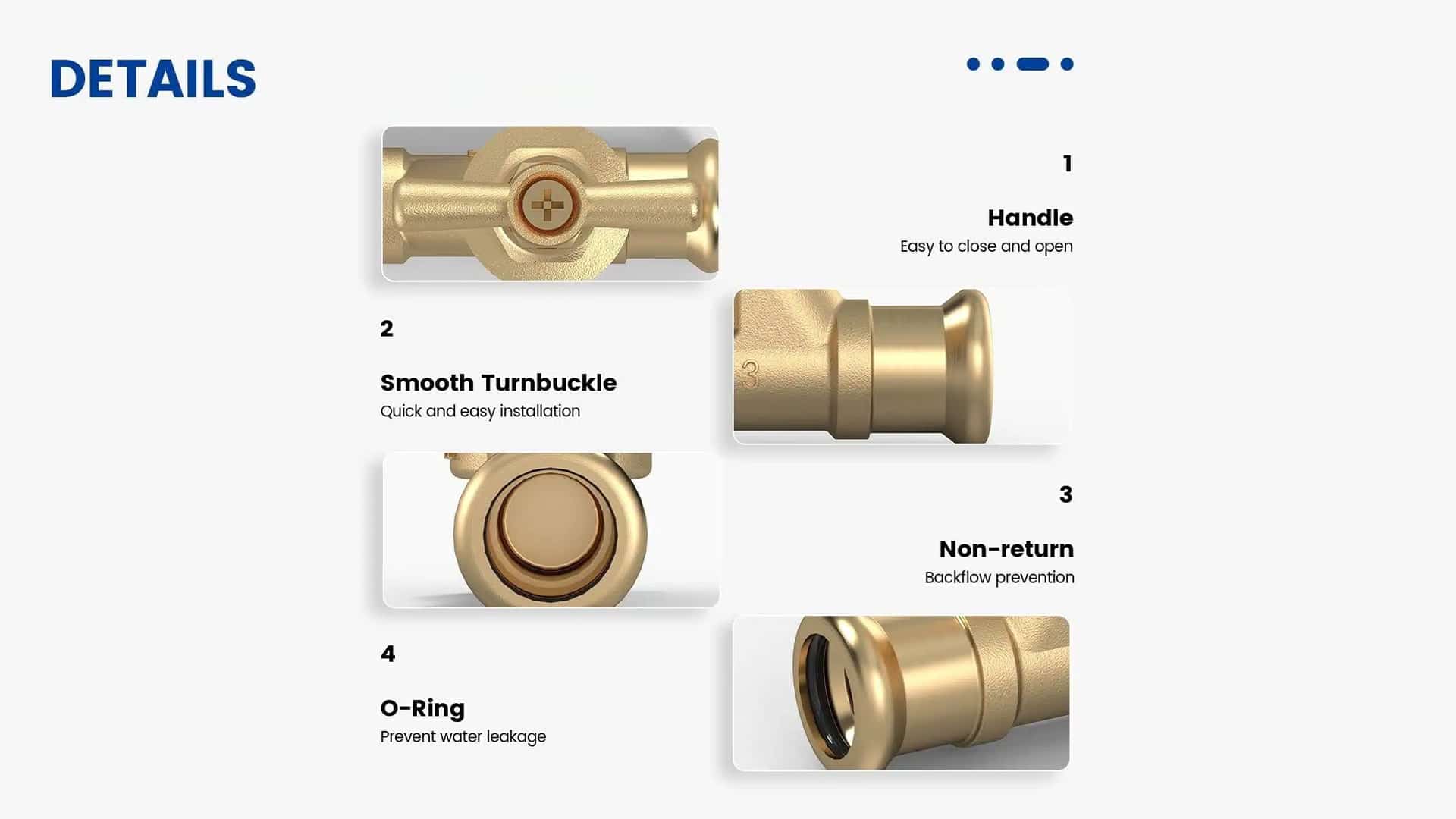
Handle or Lever: The external part that allows manual control of the valve.
-
Valve Body: The main structure that houses the internal mechanism.
-
Seals and Washers: Ensure a watertight closure when the valve is shut.
-
Internal Mechanism: Varies by valve type (ball, gate or disc) and determines how the water flow is regulated.

Conclusion
A stopcock may appear to be a simple component but its importance in your plumbing system cannot be overstated. From emergency shut-off to maintenance and water conservation, it plays multiple roles that safeguard your property and ensure smooth water distribution.
By understanding the different types, their functions and maintenance needs, homeowners and property managers can take proactive steps to manage their plumbing systems more efficiently. Whether you’re renovating, troubleshooting or simply learning, a well-maintained stopcock is a key asset to any water system.

